
Budget-Friendly Foods for Eye Care: Maximizing Nutrients on an Everyday Budget
High-end imported wellness foods and expensive branded supplements are completely unnecessary. Discover the five most cost-effective Philippine market staples that deliver premium eye nutrition.
The Top 5 Affordable Philippine Eye-Care Champions
When evaluated on a nutrient-per-peso basis, these five local foods outperform costly imported alternatives:
1. Malunggay (Moringa Oleifera Leaves)
The Nutrient Profile: Exceptionally dense in lutein, beta-carotene, vitamin C, and iron.
Budget Reality: Often obtainable completely free from neighborhood trees or purchased for around ₱10–₱15 a bundle in talipapa stalls. Strip the leaves into soups, broths, and scrambled eggs in the final minute of cooking.
2. Kalabasa (Local Squash)
The Nutrient Profile: Packed with provitamin A carotenoids, vitamin C, and soluble dietary fiber.
Budget Reality: Sold by the slice in wet markets, allowing shoppers to purchase exactly what they need for a family meal (₱15–₱30). Stores for days without spoiling.
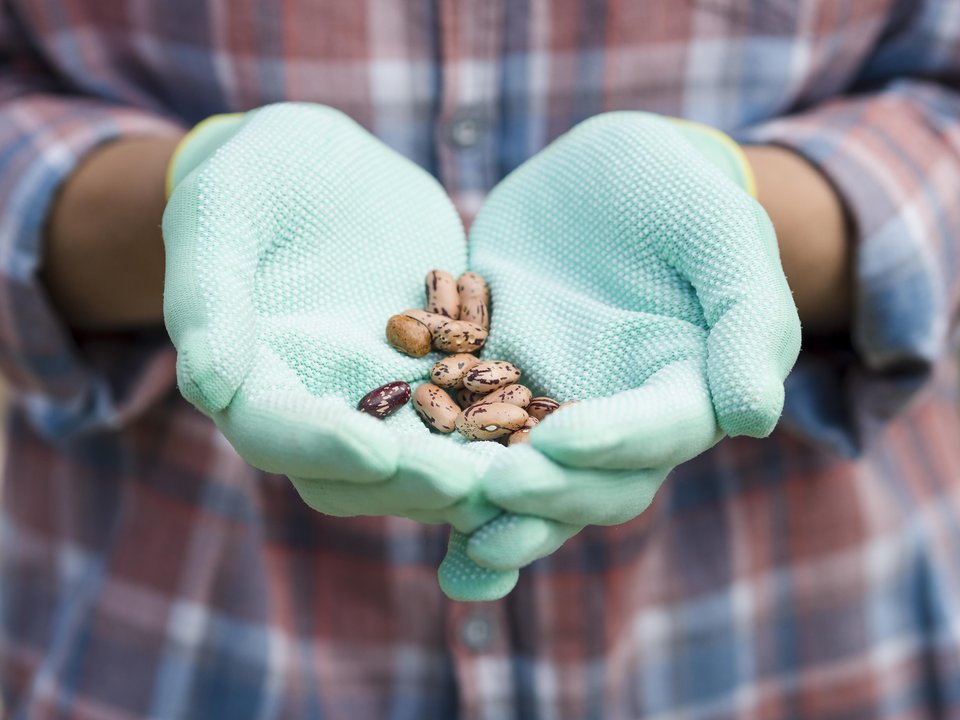
3. Balatong / Munggo (Dry Mung Beans)
The Nutrient Profile: Abundant plant-based protein, dietary zinc, magnesium, and folate.
Budget Reality: A half-kilogram bag of dry munggo costs very little and expands substantially when boiled, yielding enough hearty soup to feed an entire family for multiple meals.
4. Native / Farm Fresh Eggs
The Nutrient Profile: Highly bioavailable lutein and zeaxanthin emulsified in natural yolk lipids, plus zinc and choline.
Budget Reality: Available individually at neighborhood sari-sari stores or in trays from market poultry stalls. Requires no refrigeration for several days.
5. Kangkong (Water Spinach)
The Nutrient Profile: High in beta-carotene, lutein, and vitamin C, paired with refreshing crunch and gentle flavor.
Budget Reality: One of the lowest-cost vegetables in the country. Quick cooking time saves household cooking gas or electricity.
Price-Per-Nutrient: Whole Foods vs Imported Supplements
| Nutrient Goal | Expensive Imported Route | Budget Philippine Whole Food Route | Nutritional Advantage |
|---|---|---|---|
| Lutein / Zeaxanthin | Imported eye gummies / softgels (₱1,200–₱2,500/bottle) | Malunggay + Local Egg Yolks (₱15–₱25/serving) | Whole foods provide natural fat matrix, boosting absorption rate |
| Vitamin A | Synthetic multivitamin tablets | Ginataang Kalabasa with Sitaw (₱35/serving) | Dietary provitamin A eliminates risk of toxic hypervitaminosis A |
| Omega-3 Fatty Acids | Imported Krill or Fish Oil Capsules (₱1,500+) | Fresh Tamban / Sardines or Sinigang na Bangus | Provides complete marine proteins, minerals, and natural lipids |
| Vitamin C | Effervescent ascorbic acid tablets | Fresh Calamansi Juice or Ripe Papaya Slices | Supplies active bioflavonoids that enhance vitamin C efficiency |