
Foods and Nutrients: Complete Catalog of Eye-Friendly Whole Foods
Discover how everyday agricultural produce, local fisheries, and pantry staples contribute key carotenoids, essential fatty acids, and trace minerals to your daily diet.
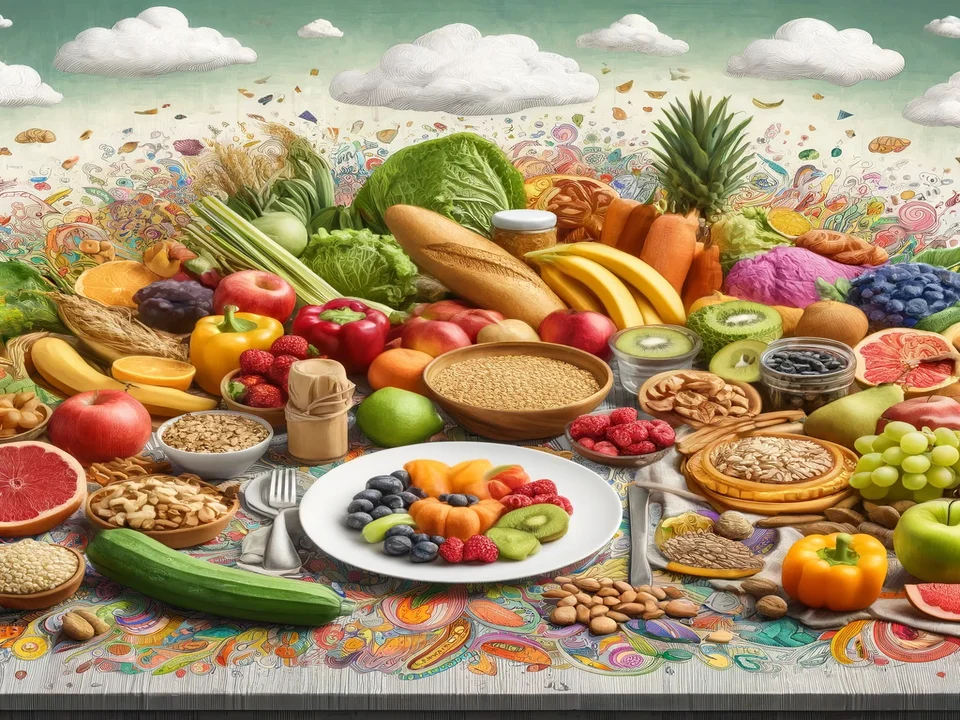
1. Deep Green Leafy Vegetables
Dark leafy greens are among the richest dietary reservoirs of lutein and zeaxanthin in the plant kingdom. While chlorophyll gives these leaves their emerald color, xanthophyll carotenoids are concentrated within the chloroplasts.
- Malunggay (Moringa Oleifera): Extremely resilient, nutritious, and virtually free when harvested from backyard trees. Adds a mild herbal flavor to soups and stews.
- Kangkong (Water Spinach): Widely available in palengke stalls. Cook quickly with garlic or toss into sour tamarind Sinigang broths.
- Talbos ng Kamote (Sweet Potato Greens): High in dietary fiber, carotenoids, and polyphenols. Superb when blanched and served with chopped tomatoes and calamansi dressing (Ensalada).
2. Orange & Yellow Produce
Orange and yellow hues indicate the presence of beta-carotene, alpha-carotene, and cryptoxanthin, which the liver converts into active retinol (vitamin A) as physiologically needed.
- Kalabasa (Squash): A comforting staple in dishes like Ginataang Kalabasa. Its natural carbohydrates provide smooth texture while delivering dense provitamin A.
- Ripe Papaya: Offers a potent duo of vitamin C and carotenoids. Gentle on digestion and affordable year-round across Philippine provinces.
- Native Carrots: Crisp, versatile root vegetables that keep well in refrigeration or cool pantries.
3. Marine Fish & Coastal Seafood
Marine organisms produce long-chain omega-3 fatty acids (EPA and DHA) that accumulate through the aquatic food web. These fatty acids are essential for maintaining the lipid fluid mosaic of retinal photoreceptors.
- Bangus (Milkfish): The national fish of the Philippines, offering high-quality protein and beneficial fatty acids, particularly when prepared with sour broth vegetables.
- Tamban & Fresh Sardines: Small coastal pelagic fish that are both inexpensive and low on the food chain, meaning low mercury accumulation with high omega-3 density.
4. Native Eggs, Legumes, and Plant Proteins
Proteins and minerals form the enzymatic backbone of ocular tissues:
- Chicken Eggs: Egg yolk contains lutein and zeaxanthin in a highly bioavailable lipid emulsion. Eggs also supply choline and zinc.
- Balatong / Munggo (Mung Beans): Dried legumes with virtually indefinite shelf life. Rich in zinc, magnesium, and plant-based protein.
- Tokwa (Tofu): Budget-friendly soybean curd offering clean protein, calcium, and zinc for vegetarian and omnivorous households alike.