
Healthy Foods for Everyday Eye Care in Your Daily Diet
Practical guidance on choosing everyday nutrient-dense foods—from market-fresh vegetables and fruits to local fish and eggs—that supply essential vitamins and carotenoids supporting normal visual function.
Independent nutrition guide
Affordable wet-market staples
Physiology-based nutrients
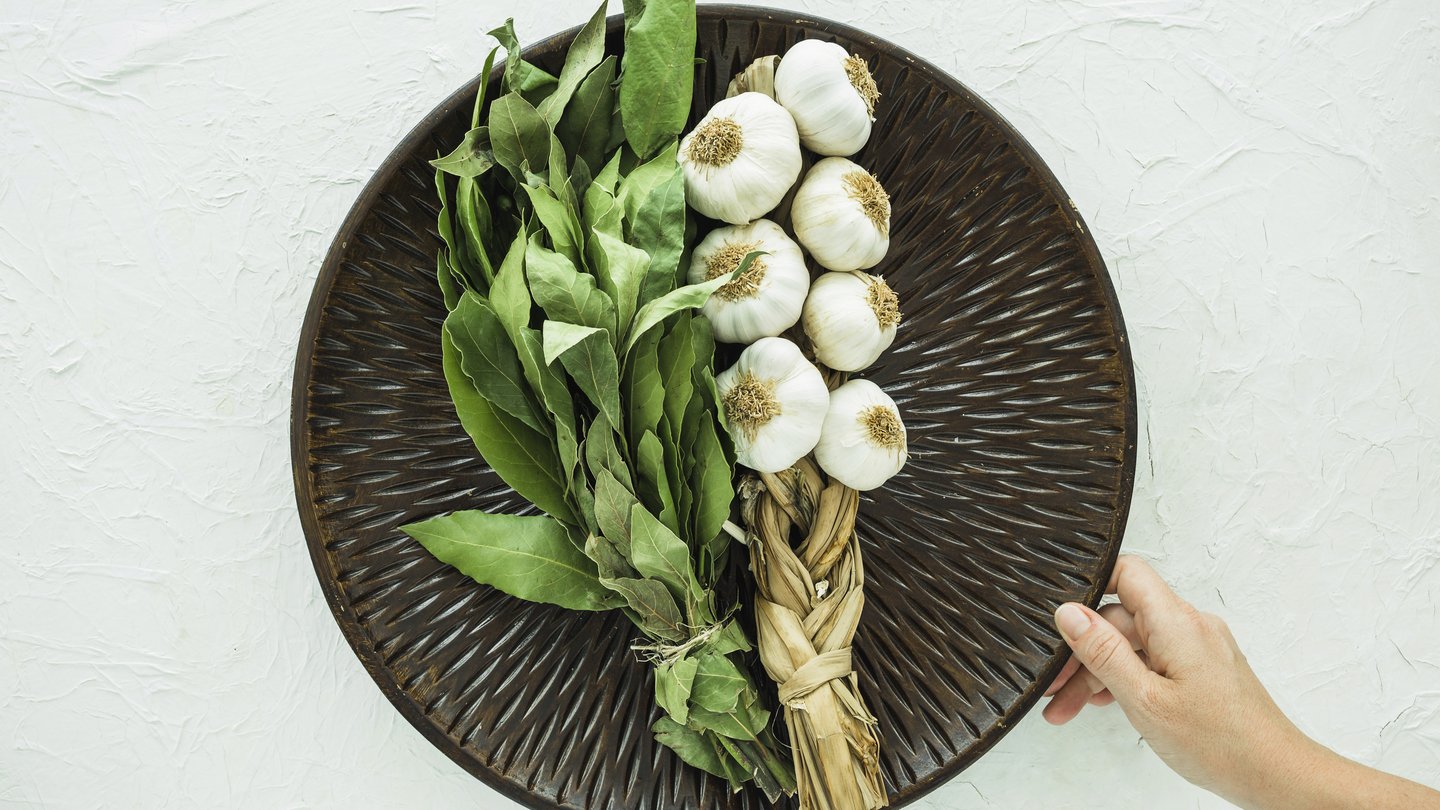
Why Daily Food Choices Support Normal Eye Function
The human retina is among the most metabolically active tissues in the body. Constant exposure to light and high oxygen consumption create a regular need for dietary antioxidants, structural fatty acids, and trace minerals.
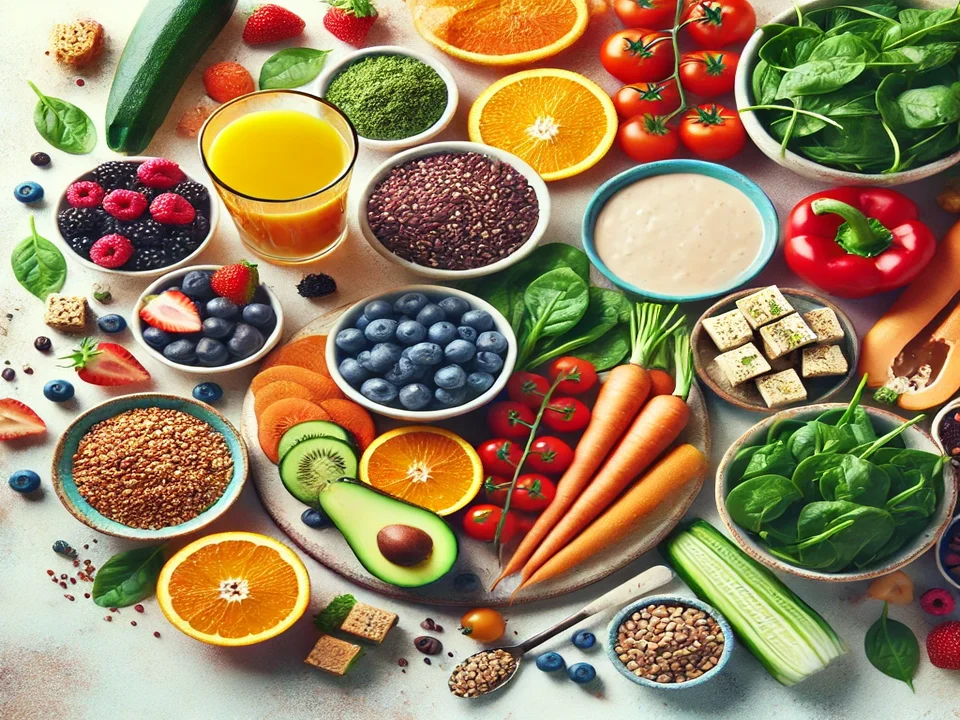
Carotenoids & Light Shielding
Lutein and zeaxanthin accumulate directly in the macula, creating a yellow pigment that absorbs high-energy blue wavelengths and neutralizes free radicals produced by bright sunlight and screen glare.
Read Nutrient Science →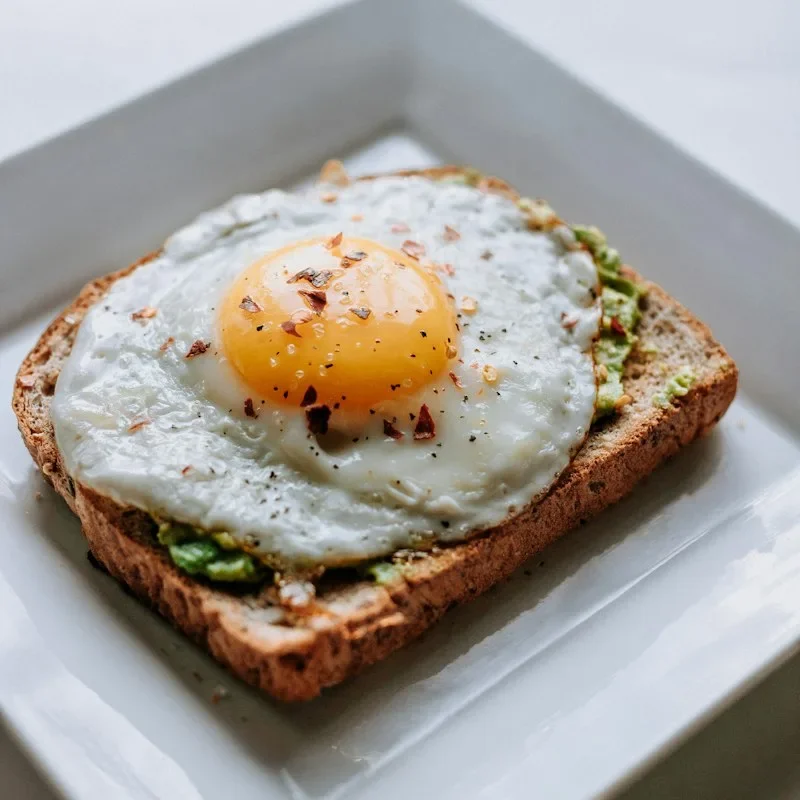
Fat-Soluble Nutrient Absorption
Vitamins A and E require healthy dietary lipids for absorption. Combining leafy greens like malunggay or kangkong with whole eggs or a dash of vegetable oil significantly boosts bioavailability.
Explore Foods Catalog →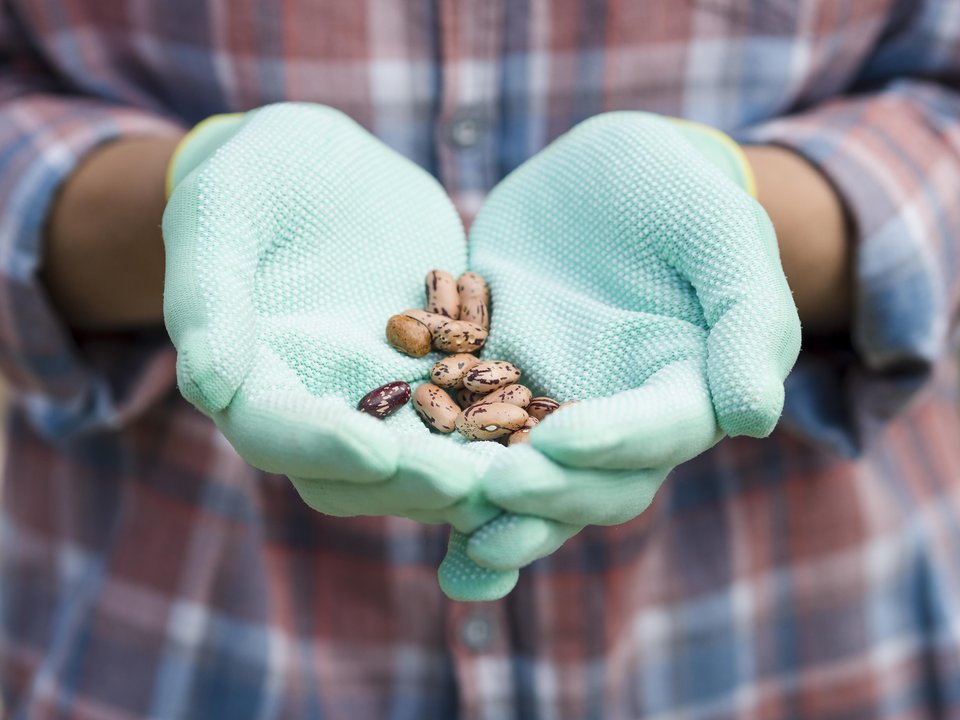
Budget-Conscious Philippine Staples
Supporting normal eye health does not require expensive imported berries or designer supplements. Kalabasa, native greens, mung beans, and local fish supply exceptional nutrient density at everyday palengke prices.
See Budget Strategies →The Daily Eye Nutrition Plate
Adapted from practical Philippine dietary guidelines (Pinggang Pinoy), this plate balance illustrates how everyday home-cooked meals can supply a harmonious spectrum of eye-supporting micronutrients without complex calculations.
-
50%Half the Plate: Vegetables & Fruits
Kalabasa, malunggay, kangkong, carrots, and papaya for provitamin A, lutein, and vitamin C. -
25%One Quarter: Protein & Healthy Lipids
Bangus, tilapia, native eggs, munggo, or tokwa for omega-3 fatty acids, zinc, and carotenoid carriers. -
25%One Quarter: Complex Energy Grains
Brown rice, corn grits, kamote, or oats delivering sustained glucose and supporting B-vitamins.

Interactive Guidance at Your Fingertips
Use our responsive tools to evaluate your current dietary variety, generate meal recommendations based on your schedule, and compare foods side by side.
Daily Eye Nutrition Checklist
Walk through 9 practical food habits. Track your live completion percentage and receive immediate targeted tips for any unchecked areas.
Start Checklist →Daily Food Choice Assistant
Select your routine, primary cooking challenge, and schedule. The assistant generates tailored Filipino meal ideas and shopping tips in real time.
Use Assistant →Food Comparison Tool
Filter whole foods by specific nutrient, budget tier (budget vs moderate), and preparation time. Discover smart culinary swaps.
Compare Foods →Consuming foods rich in carotenoids, vitamins, and zinc supports the normal physiological mechanisms of healthy eyes—such as tear film lubrication and retinal photoreceptor regeneration. However, food choices cannot cure refractive errors like nearsightedness (myopia) or astigmatism, reverse established cataracts, or treat glaucoma. If you experience sudden vision loss, persistent eye pain, flashing lights, or noticeable vision distortion, consult a qualified optometrist or ophthalmologist immediately.