
Everyday Eye Nutrition: Integrating Wholesome Meals with Daily Visual Comfort
How balanced eating habits harmonize with adequate sleep, comfortable room lighting, and regular screen breaks to support everyday visual wellness.
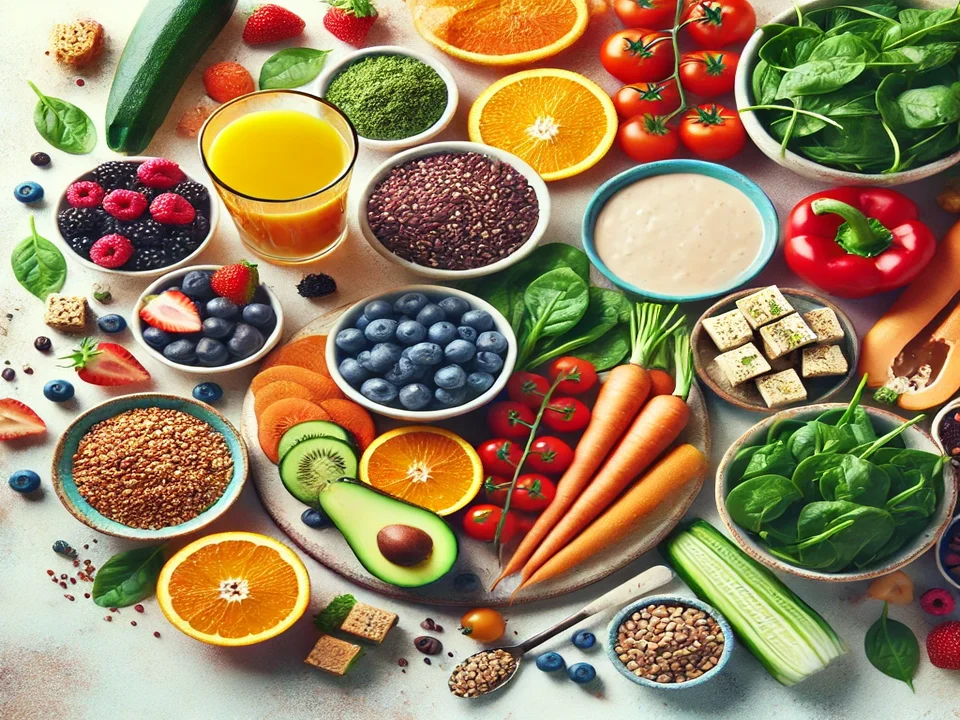
1. How Dietary Nutrients Relate to Visual Comfort
Many people experience daily eye strain, dryness, or a gritty sensation after spending hours in front of laptops or under harsh fluorescent lighting. While nutrition is not a replacement for taking breaks or adjusting workstation ergonomics, it provides the biological building blocks required for ocular endurance:
- Tear Evaporation Resistance: Omega-3 fatty acids from fish like bangus and tamban support healthy lipid secretion from the eyelid margins, slowing down the rate at which tears evaporate between blinks.
- Retinal Recovery: The macular carotenoids lutein and zeaxanthin filter excessive glare from back-lit devices, helping reduce visual fatigue during continuous reading or data entry.
- Epithelial Integrity: Vitamin A from kalabasa and carrots sustains healthy goblet cells on the conjunctiva, which produce the essential mucous layer that keeps tears evenly spread across the cornea.
2. Synergistic Visual Habits to Practice Alongside Nutrition
Pairing your eye-friendly meals with sensible visual hygiene magnifies everyday comfort:
Every 20 minutes of near-screen work, look away toward an object at least 20 feet (about 6 meters) away for 20 seconds. This allows the ciliary accommodation muscles in your eyes to relax completely.
- Natural Outdoor Daylight: Spending 30 to 60 minutes outdoors in natural sunlight each day stimulates retinal dopamine release and promotes general circadean health.
- Ambient Room Lighting: Avoid using mobile devices in a pitch-black bedroom. Ensure soft, indirect ambient light surrounds your desk to minimize stark contrast between bright displays and dark surroundings.
- Adequate Restful Sleep: During deep sleep, ocular tissues undergo cellular repair and metabolic waste clearance. Aim for 7 to 8 hours of uninterrupted rest.
3. When to See an Eye Care Specialist Promptly
While everyday nutrition supports normal physiology, it cannot treat eye diseases or correct refractive vision changes. You should immediately schedule an examination with an optometrist or ophthalmologist if you notice:
- Sudden decrease or loss of vision in one or both eyes.
- Persistent flashes of light or a sudden shower of new floaters.
- A dark shadow or curtain appearing across any part of your visual field.
- Severe, deep ocular pain or redness accompanied by nausea.
- Double vision (diplopia) or halos around lights.